TASTE
Activated carbon helps
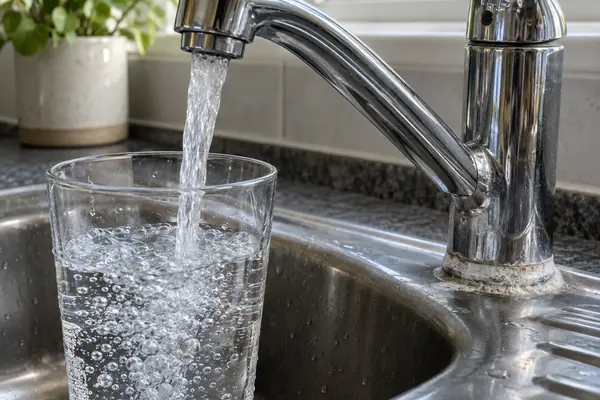
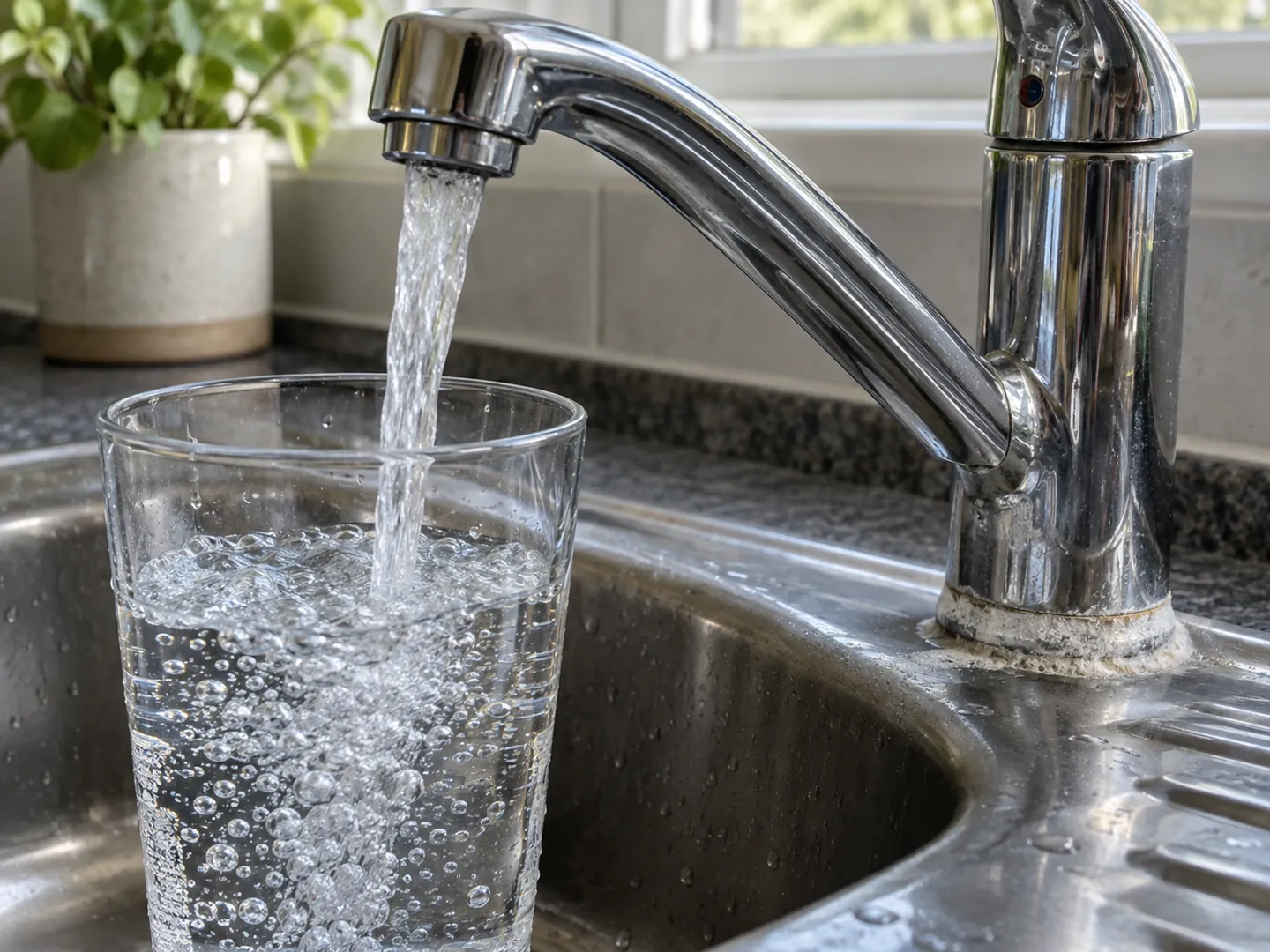
For taste or odour, the DWI suggests a jug filter with activated carbon, with the cartridge replaced on schedule.
How to look after it doodlefilter
WHAT THE REGULATOR SAYS
UK tap water is tested constantly, and nearly every test passes.
99.97% of tests passed in 2025
99.97% Tests meeting regulatory standards
The Drinking Water Inspectorate says there is no need for extra treatment at home as a health protection measure. A filter is about taste, smell or cloudiness, and it only helps if you look after it.
THE SHORT ANSWER
Filters are mainly used for taste, odour
or temporary cloudiness, not for health.
TASTE
For taste or odour, the DWI suggests a jug filter with activated carbon, with the cartridge replaced on schedule.
How to look after itTHE CHEAP OPTION
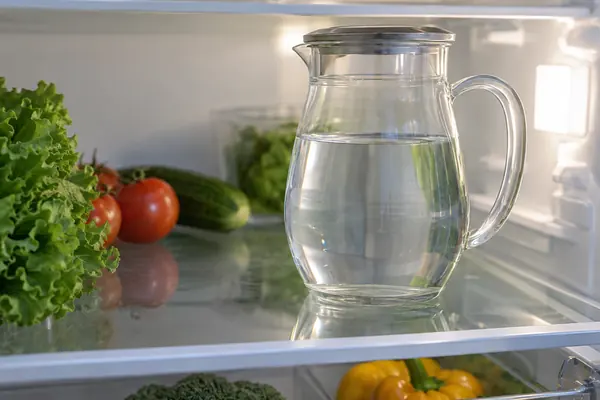
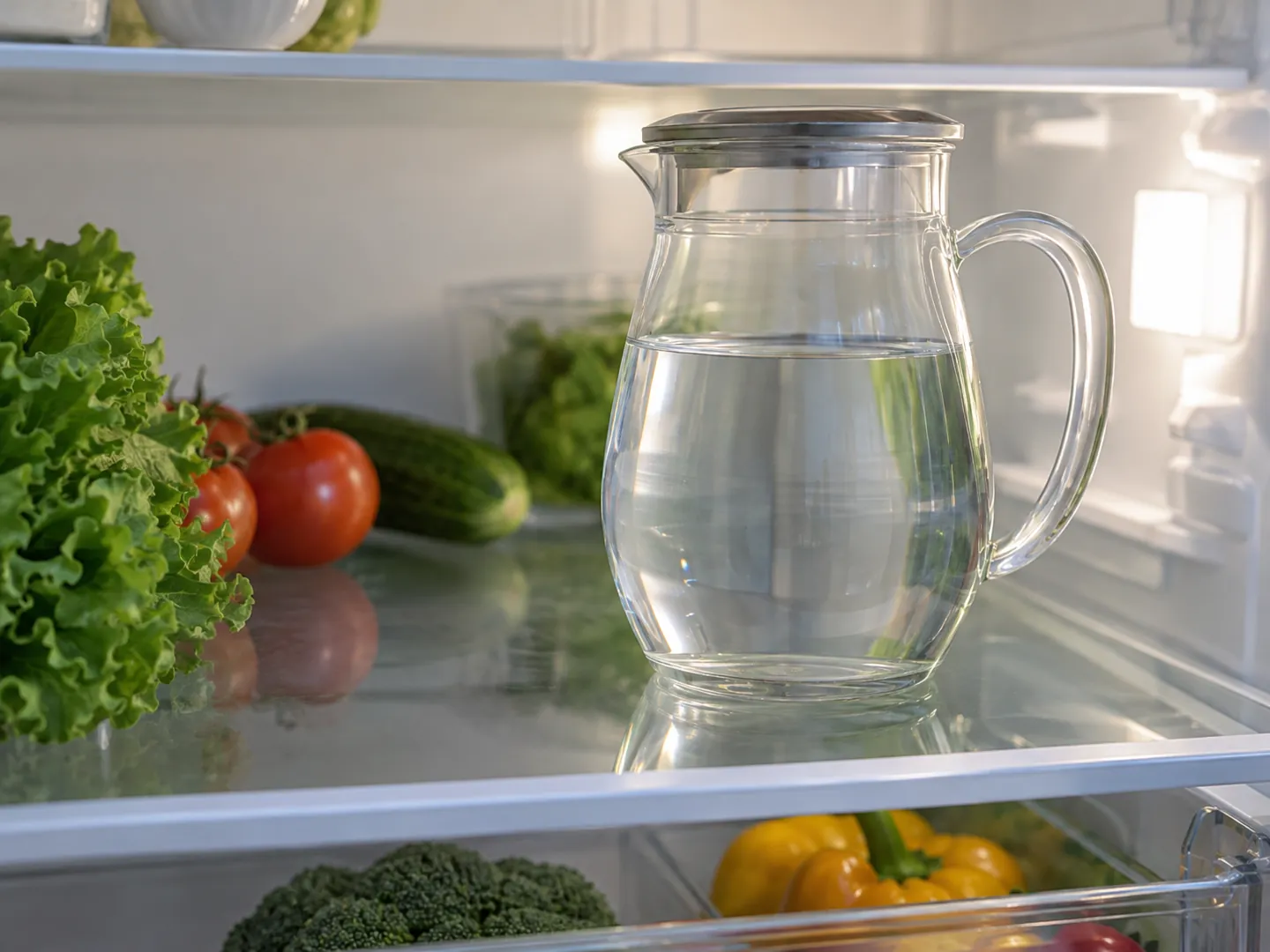
A clean, glass, covered jug of tap water in the fridge reduces the chlorine smell and taste. The DWI says to discard unused water after 24 hours.
Why chlorine is thereHARD WATER
Hardness comes from dissolved calcium and magnesium. Some jug filters may limit kettle scale but do not alter permanent hardness.
Check your hardnessHOW HARD IS YOUR WATER?
Your water company publishes the hardness for your area, usually in mg/l as calcium carbonate. Pick the band it falls in to see what the DWI calls it. The bar shows how hard the water is.
Bands from the Drinking Water Inspectorate's page on water hardness. UK drinking water regulations set no standard for hardness.
IF YOU USE A JUG FILTER
Both the UK regulator and France's food safety agency ANSES warn that a neglected filter can make water worse, not better. Their advice comes down to four habits.
Replace it in line with the manufacturer's instructions. The DWI says a worn-out carbon filter may stop working and may leach chemicals or bacteria.
ANSES advises keeping the jug and its water in the refrigerator.
ANSES suggests drinking filtered water soon after filtering, ideally within 24 hours.
Follow the instructions for cleaning. Poor maintenance can create a breeding ground for bacteria, the DWI warns.
TWO NUMBERS WORTH KNOWING
One figure on how often tap water passes,
one on how little chlorine it carries.
99.97%
Tests meeting regulatory standards
The Chief Inspector's report for England says public supplies complied with regulatory standards in 99.97% of tests in 2025, adding that this should give consumers confidence but must not lead to complacency.
COMPLIANCE · DWI 2025
≤ 0.5 mg/l
Residual chlorine companies aim for
Companies keep residual disinfectant to 0.5 mg/l or less. The World Health Organisation's health-based guideline maximum is 5 mg/l, the DWI says.
CHLORINE · DWI
Disinfecting water is a regulatory requirement in England and Wales. The DWI says water is safe when it leaves the treatment works, and the chlorine preserves that quality as it travels through the pipes.
SOFTENERS AND PLUMBED-IN UNITS
Softeners can raise sodium levels, so the DWI advises keeping an unsoftened supply to the kitchen tap for drinking and cooking, and says artificially softened water should not be used to make up baby feeds.
For any device connected to the supply, the DWI says to check with your water company that it meets the Water Supply (Water Fittings) Regulations 1999 and to have it fitted by a qualified plumber.
Questions
The Drinking Water Inspectorate says there is no need to install additional treatment within the home as a health protection measure. Filters are mainly used for taste, odour or temporary cloudiness.
Companies must disinfect water in England and Wales, and keep residual chlorine to 0.5 mg/l or less. A covered jug of tap water chilled in the fridge for a short time reduces the smell and taste.
Not fully. The DWI says some carbon jug filters contain ion exchange resin that can reduce scum on hot drinks and may limit kettle scale, but they do not alter the permanent hardness of the water.
France's food safety agency ANSES advises keeping the jug in the fridge and drinking the water soon after filtering, ideally within 24 hours.
Yes, if it is neglected. The DWI warns poor maintenance can create a breeding ground for bacteria, and ANSES notes filters can affect the water's microbiological quality and let some substances leach in.
Updated
ABOUT THIS NAME
doodlefilter.com is part of the DoodleSale portfolio. It isn't in an auction right now, but you can ask about leasing it.